UK Gambling Commission Forms Implementation Groups for Financial Risk Assessment Rollout
Tina Klein · Nov 18, 2026

UK Gambling Commission Forms Implementation Groups for Financial Risk Assessment Rollout
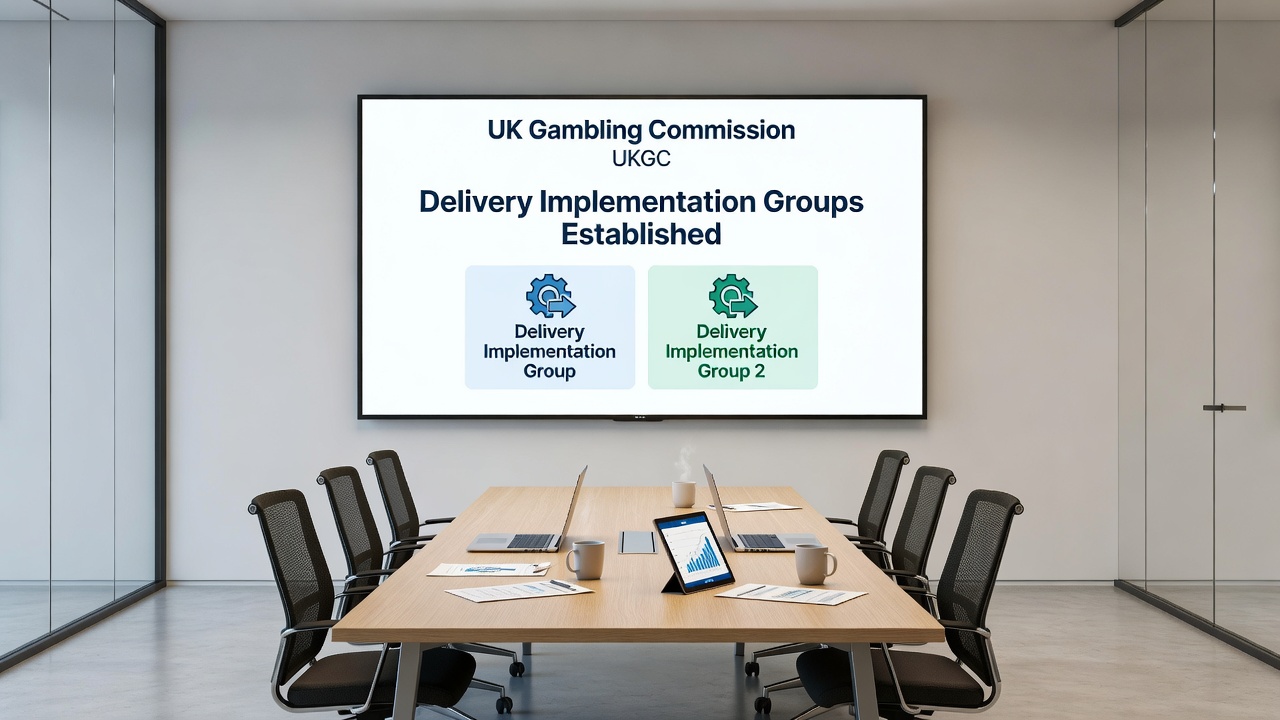
The UK Gambling Commission has set up two dedicated implementation groups to guide the phased introduction of financial risk assessments across remote gambling operators, and this development follows directly from the regulator's July 2026 announcement of a staged rollout that prioritises the largest operators alongside their highest-spending customers. One group carries the name Delivery Implementation Group while the second operates without a specified title in the initial announcement, yet both entities share the task of supporting operators through the transition period that begins with major platforms and elevated deposit thresholds before expanding further. Observers note that the Commission intends to release its formal consultation response within the coming weeks, which will clarify operational details for all parties involved in the process.
Background on the Staged Approach Confirmed in July 2026
During July 2026 the Commission confirmed its decision to adopt a phased methodology rather than an immediate full-scale requirement, and this choice allows time for systems to adapt while focusing first on those operators that handle the greatest volume of activity together with customers who place the largest wagers. The staged structure means initial assessments target high-value accounts at the biggest sites, after which subsequent phases bring in smaller operators and a broader customer base over an extended timeline. Data from the regulator's earlier consultations indicated that such segmentation reduces immediate compliance burdens for mid-sized and emerging platforms, while still advancing the core objective of identifying potential financial harm among those most exposed to elevated spending patterns.
Role and Structure of the Two Implementation Groups
The Delivery Implementation Group takes primary responsibility for coordinating the practical steps that operators must follow when conducting the new assessments, and it works alongside the unnamed second group that addresses complementary aspects such as data standards and reporting mechanisms. Together the two bodies provide a framework through which operators can raise questions, test pilot procedures, and receive guidance on how to integrate financial risk checks into existing customer verification processes. Experts involved in similar regulatory transitions have observed that dedicated implementation teams of this kind help translate high-level policy into day-to-day operational reality, particularly when the requirements involve sensitive customer data and real-time decision making at the point of deposit or play.
Timeline and Next Steps for Operators
Following the July 2026 confirmation, the Commission established the groups to ensure that preparations remain on schedule for the first phase, which begins with the largest remote operators and their highest-spending customers. The regulator has signalled that the formal consultation response will appear in the weeks ahead, and that document is expected to contain detailed timelines, thresholds, and technical specifications that operators will need to meet. Those who have monitored previous Commission initiatives note that early engagement with implementation groups often gives operators a clearer view of forthcoming obligations, allowing internal teams to adjust compliance frameworks before mandatory deadlines arrive. In November 2026 the groups are scheduled to hold their first joint progress review, which will assess readiness among the initial cohort of operators selected for phase one.
How the Groups Support the Broader Regulatory Objectives
Financial risk assessments represent a targeted measure within the Commission's wider consumer protection strategy, and the two implementation groups exist specifically to bridge the gap between policy intent and practical delivery. The groups facilitate dialogue between the regulator and industry participants, which helps surface potential technical or procedural obstacles before they affect live operations. According to the details released alongside the July 2026 announcement, the assessments will examine customer spending behaviour against available financial indicators, with the goal of flagging patterns that may indicate elevated risk of harm. The phased structure ensures that lessons learned during the initial rollout with major operators can inform refinements for later stages, creating a feedback loop that the implementation groups are positioned to manage directly.
Industry Preparation and Data Considerations
Remote gambling operators have already begun reviewing their current customer due-diligence systems in light of the coming requirements, and many have initiated contact with the newly formed groups to clarify data-sharing protocols and assessment criteria. The Commission has emphasised that the first phase will concentrate on high-spending segments, which means operators must develop capabilities to segment their customer base accurately and apply the new checks without disrupting routine account activity. Figures shared during the consultation period showed that a significant proportion of overall gambling volume occurs among a relatively small percentage of accounts, and this distribution underpins the rationale for starting with those specific cohorts. The implementation groups therefore focus attention on developing standardised templates and secure data pathways that protect customer privacy while delivering the information regulators require.
Conclusion
The establishment of the Delivery Implementation Group and its counterpart marks a concrete step toward operationalising the financial risk assessment framework that the Commission outlined in July 2026. With the formal consultation response expected shortly, operators now have a clear channel through which to engage with the detailed requirements before the first phase commences. The staged approach, supported by these dedicated groups, provides a structured pathway that balances regulatory objectives with the practical demands of implementation across the remote gambling sector. As the process advances through November 2026 and beyond, the work of these groups will determine how smoothly the transition unfolds for both the largest operators and those that follow in subsequent phases.